
Unraveling the psychology behind gambling choices What motivates risk
The Allure of Risk in Gambling
The thrill of gambling is intricately tied to the concept of risk. For many, the uncertainty that accompanies a wager can amplify the excitement. The psychological principle of the “gambling fallacy” plays a significant role, where individuals believe that past outcomes can influence future events. This belief can lead to a heightened sense of engagement, as players anticipate big wins based on patterns that may not exist. Such cognitive biases can draw individuals into repeated gambling, creating a cycle of risk-taking behavior. In this context, platforms like spinboss casino showcase a wide array of gaming options that appeal to these psychological tendencies.

Furthermore, the adrenaline rush associated with placing a bet is a potent motivator. The body releases dopamine, a neurotransmitter linked to pleasure, during moments of potential reward. This chemical reaction can create a feedback loop where the excitement of taking risks becomes addictively pleasurable. Players may find themselves returning to gambling venues, both physical and online, in search of that fleeting high, reinforcing their choices and potentially leading to problematic gambling behaviors.
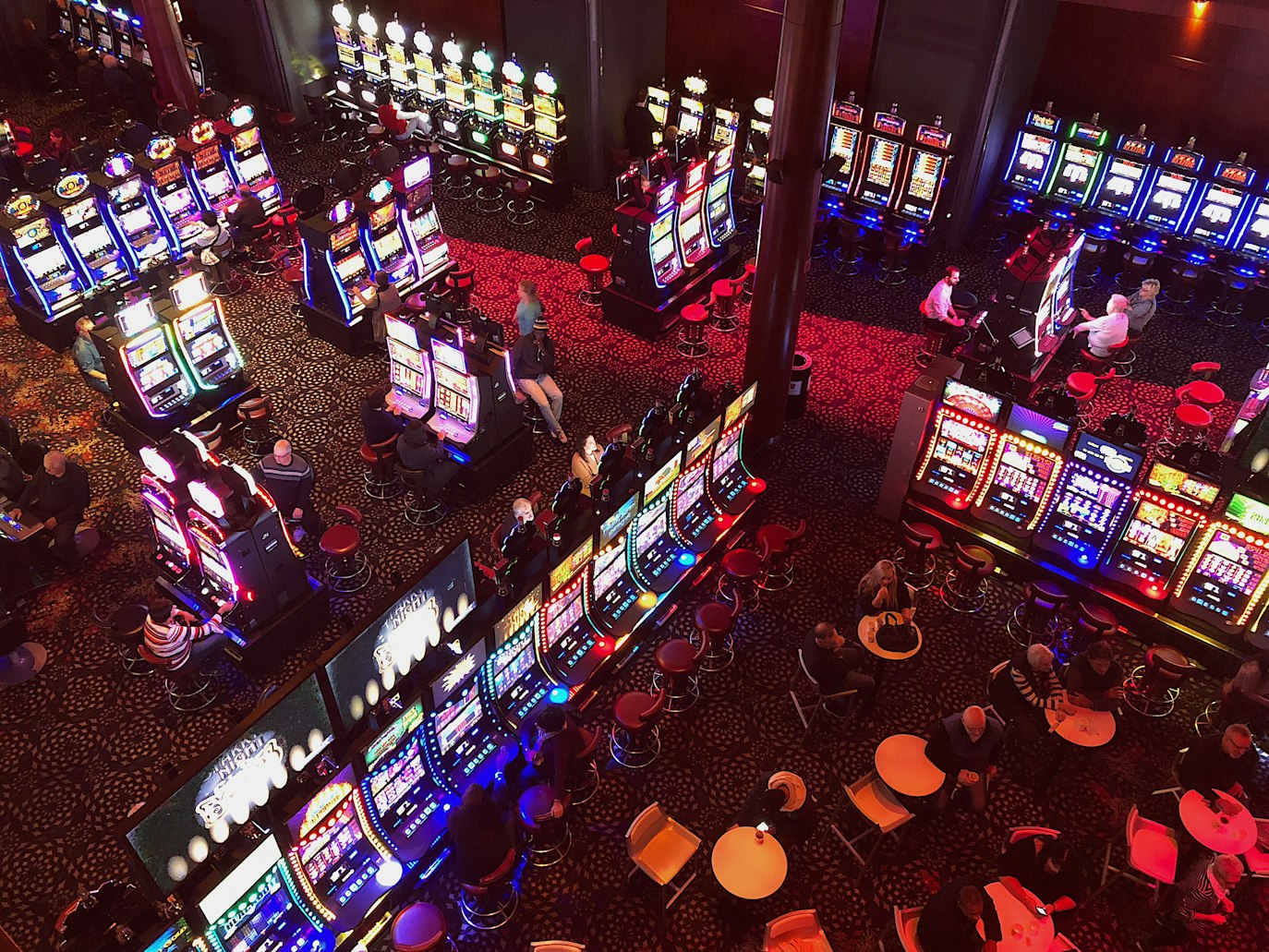
Additionally, the environment in which gambling occurs can amplify the allure of risk. Bright lights, sounds, and social interactions within casinos create an immersive experience that heightens emotional responses. This sensory stimulation can lead individuals to make impulsive choices, often disregarding the potential consequences. The combination of these elements forms a psychological cocktail that encourages individuals to take risks, making gambling a uniquely compelling activity.
The Role of Cognitive Biases in Gambling Choices
Cognitive biases play a crucial role in shaping gambling decisions. One prevalent bias is the “illusion of control,” where individuals believe they can influence the outcome of random events. This perception can lead players to overestimate their chances of winning, making them more likely to engage in risky behaviors. For example, a player might believe that their skills can affect the outcome of a slot machine, even though the results are entirely random. Such biases can result in an increased frequency of gambling, as players feel empowered by their misconceptions.
The “availability heuristic” is another cognitive bias that impacts gambling choices. This bias refers to the tendency to rely on immediate examples that come to mind when evaluating a situation. In gambling, vivid memories of past wins or stories of big payouts can overshadow the more common experience of losses. This selective memory can reinforce the belief that winning is more likely than it truly is, enticing individuals to gamble more frequently in hopes of replicating those successes.
Furthermore, the framing of gambling experiences can significantly influence decision-making. For instance, marketing messages that highlight potential winnings without adequately addressing risks can lead individuals to underestimate the negative aspects of gambling. This manipulation of perception can encourage individuals to take risks they might otherwise avoid, steering them toward choices that align with the casino’s interests rather than their financial well-being.
The Social Influences on Gambling Behavior
The social environment surrounding gambling can significantly impact individual choices. Peer pressure, social norms, and cultural attitudes toward gambling play a pivotal role in motivating risk-taking behavior. When individuals are surrounded by friends or family members who gamble, they may feel inclined to participate, viewing it as a shared experience. This social dynamic can lead to increased gambling frequency, as individuals seek to fit in or bond with their peers.
Moreover, the rise of online gambling has transformed social interactions associated with gambling. Virtual communities and social media platforms foster environments where gambling is normalized and celebrated. Players can share their experiences and wins, further promoting the idea that gambling is a favorable activity. This can create a feedback loop, where positive reinforcement from others encourages individuals to continue taking risks, often without fully understanding the potential consequences.
The role of gambling as a social activity is further complicated by cultural factors. In some cultures, gambling is seen as an essential form of entertainment, embedded in social rituals and celebrations. This cultural acceptance can lead to increased participation and a greater likelihood of risk-taking. As individuals navigate these social influences, their gambling choices may be swayed by the desire to conform, leading them to make decisions they might not make in isolation.
The Emotional Drivers Behind Gambling Choices
Emotional states can heavily influence gambling behavior, with both positive and negative emotions driving individuals to take risks. For instance, excitement and happiness can motivate individuals to gamble as a form of celebration or reward. Conversely, feelings of stress, anxiety, or sadness may also lead individuals to seek out gambling as a means of escapism. In these cases, gambling serves as a coping mechanism, allowing individuals to temporarily alleviate emotional pain or discomfort.
The interplay between emotion and decision-making is complex. A gambler may start with the intent of having a fun night out, but as emotions fluctuate—perhaps due to a win or loss—they may become more impulsive in their choices. This emotional rollercoaster can lead to significant financial consequences, as individuals may gamble larger sums in an attempt to chase losses or sustain a high. The cycle of emotional highs and lows can trap individuals in a pattern of risky behavior that becomes increasingly challenging to break.
Additionally, the concept of “loss aversion” plays a significant role in gambling decisions. People tend to prefer avoiding losses rather than acquiring equivalent gains. This psychological principle can drive gamblers to keep playing in hopes of recouping losses, often leading them to take greater risks. This phenomenon highlights the emotional complexities behind gambling behavior, as individuals find themselves caught in a cycle of chasing losses, fueled by their emotions and psychological biases.
Exploring SpinBoss Casino and Responsible Gambling
SpinBoss Casino recognizes the intricate psychology behind gambling choices and is committed to promoting responsible gaming practices. As a premier online gaming destination, it provides a diverse range of games while prioritizing player well-being. Understanding that players may be influenced by various psychological factors, SpinBoss offers resources and support to help individuals make informed decisions about their gambling activities.
The platform emphasizes the importance of setting limits and encourages players to gamble within their means. By providing tools for self-assessment and promoting awareness around responsible gambling, SpinBoss Casino strives to create a safe gaming environment. It is vital for players to recognize the emotional and psychological triggers that can lead to risky choices and to approach gambling as a form of entertainment rather than a means of financial gain.
Ultimately, understanding the psychology behind gambling can empower individuals to make healthier choices. With the right resources and support, players can enjoy their gaming experience while minimizing the risks associated with gambling. SpinBoss Casino is dedicated to fostering a responsible gaming culture, ensuring that all players can engage in gambling safely and enjoyably.
